

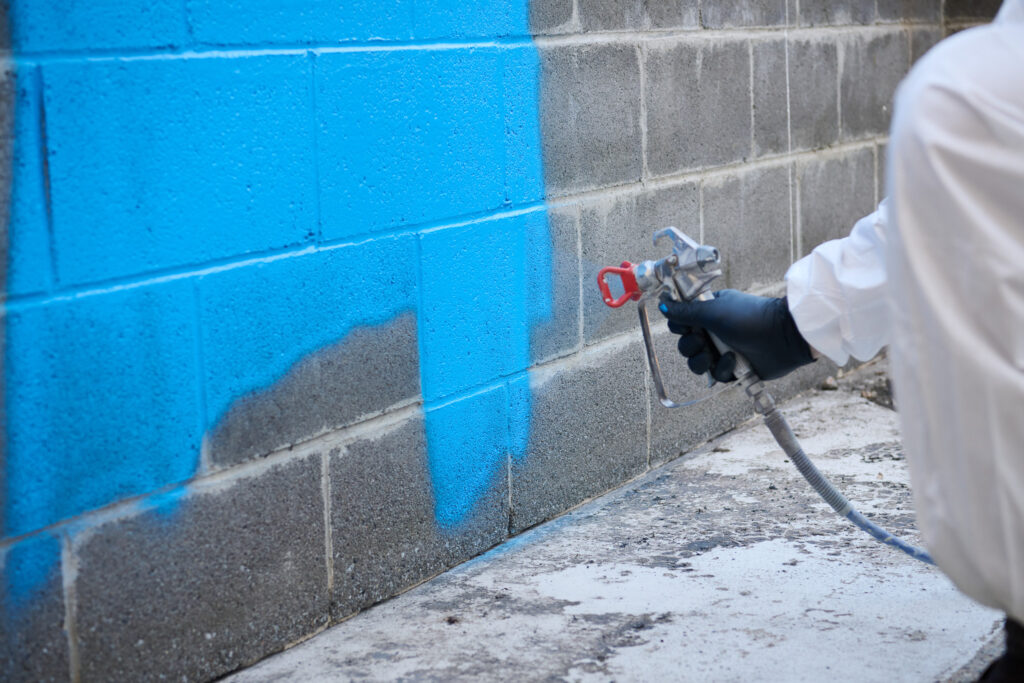
Liquid-Applied Barrier Installation — Getting Coverage and Thickness Right
Coverage and wet mil thickness determine whether a liquid-applied barrier performs. Learn how to measure, verify, and inspect…
Read More
Field reports, chemistry breakdowns, and shoulder-to-shoulder craft notes from the people who specify, install, and stand behind sealant joints for a living.
Coverage and wet mil thickness determine whether a liquid-applied barrier performs. Learn how to measure, verify, and inspect…
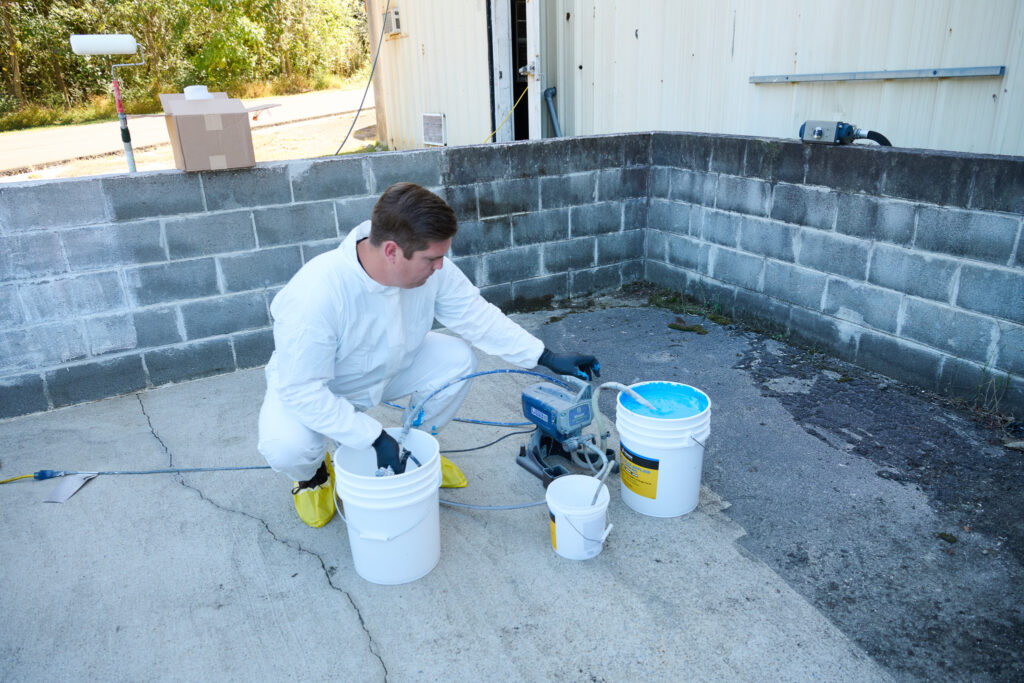
Housewrap has been the default weather-resistive barrier on production homes for decades, and mechanically fastened sheet wrap is…
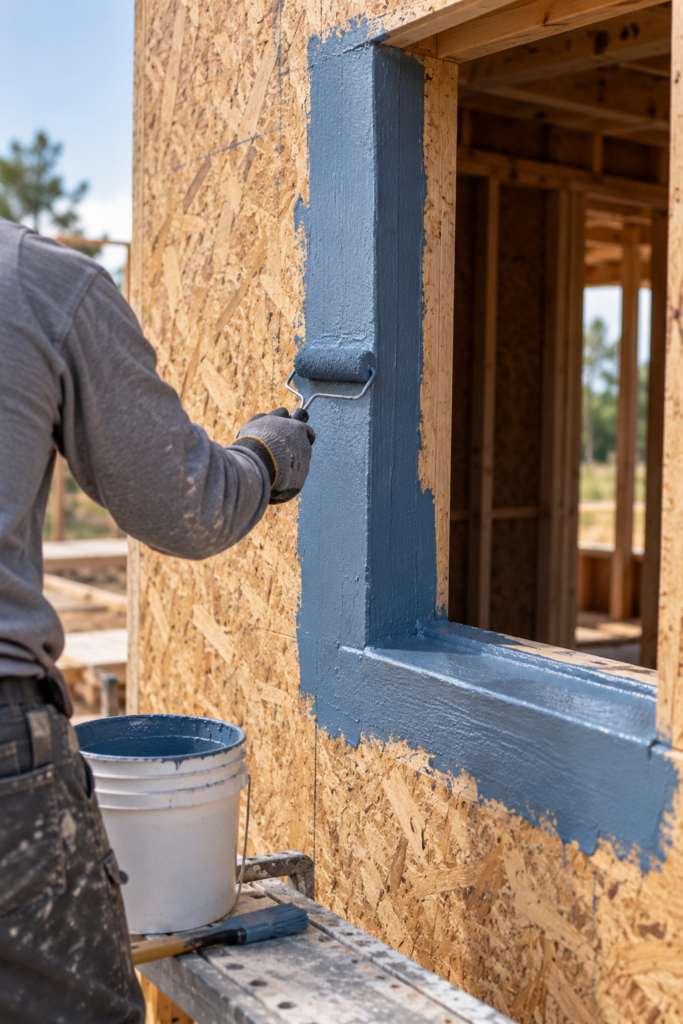
You’ve hung housewrap a thousand times. You know how it staples, how it laps, how it tears in…
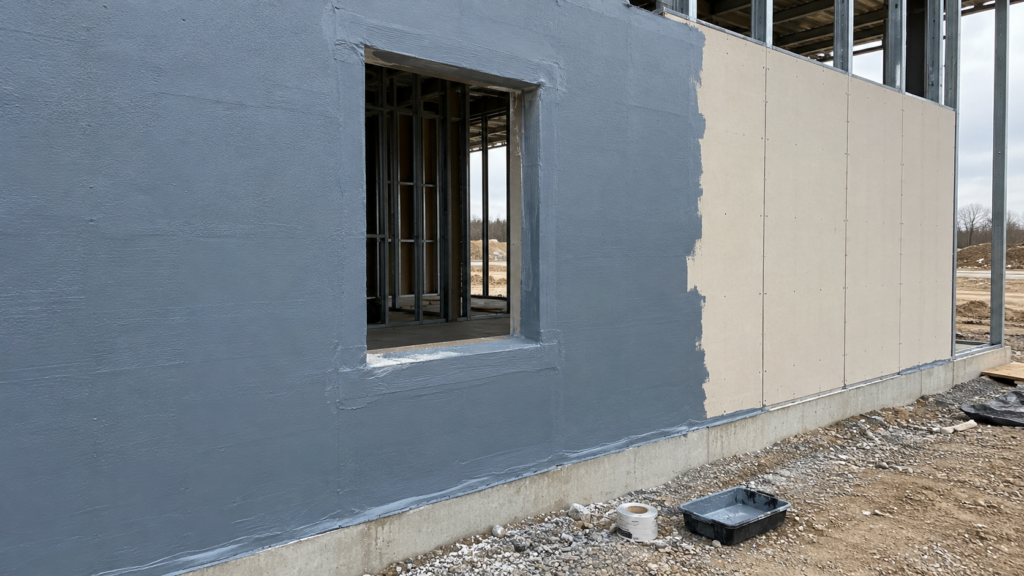
Three of the most confused terms in wall construction are air barrier, weather-resistive barrier, and vapor barrier. They…

Knowing how to install a liquid flashing membrane correctly is the difference between a building envelope that stays…
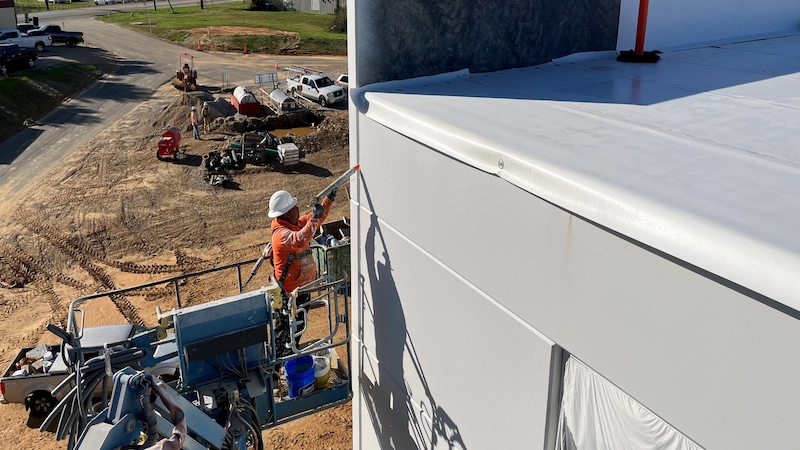
Choosing the best commercial sealant for high-rise projects is not the same decision you make on a two-story…
Step-by-step craft and technique
Field-tested professional shortcuts
Trends shaping the trade
The language of sealants
Product & chemistry breakdowns
Projects from the field
Releases and announcements

A procurement guide for facade specialists weighing movement capability, UV stability, and life-cycle cost.

Two chemistries, two philosophies. Where each belongs—and where neither does.

How a Gainesville contractor delivered weatherproofing on schedule through three storms.

Tool angle, gun speed, and the small choices that separate a passable joint from a flawless one.
The Dispatch