

Troubleshooting GuideTroubleshooting
Troubleshooting
Caulking Concerns
Common caulking issues, their causes, and professional solutions to prevent and fix them.
Understanding common caulking problems and their solutions can help you achieve professional results and avoid costly repairs. This guide covers the most frequent issues contractors and DIYers face when working with caulk.
- ISSUE #1
What Causes Caulk to Crack?
Are you facing issues from beam or crown molding caulk cracking? While it may seem like the caulk is to blame, the real culprit could be the wood itself, especially if this is a new build or project.
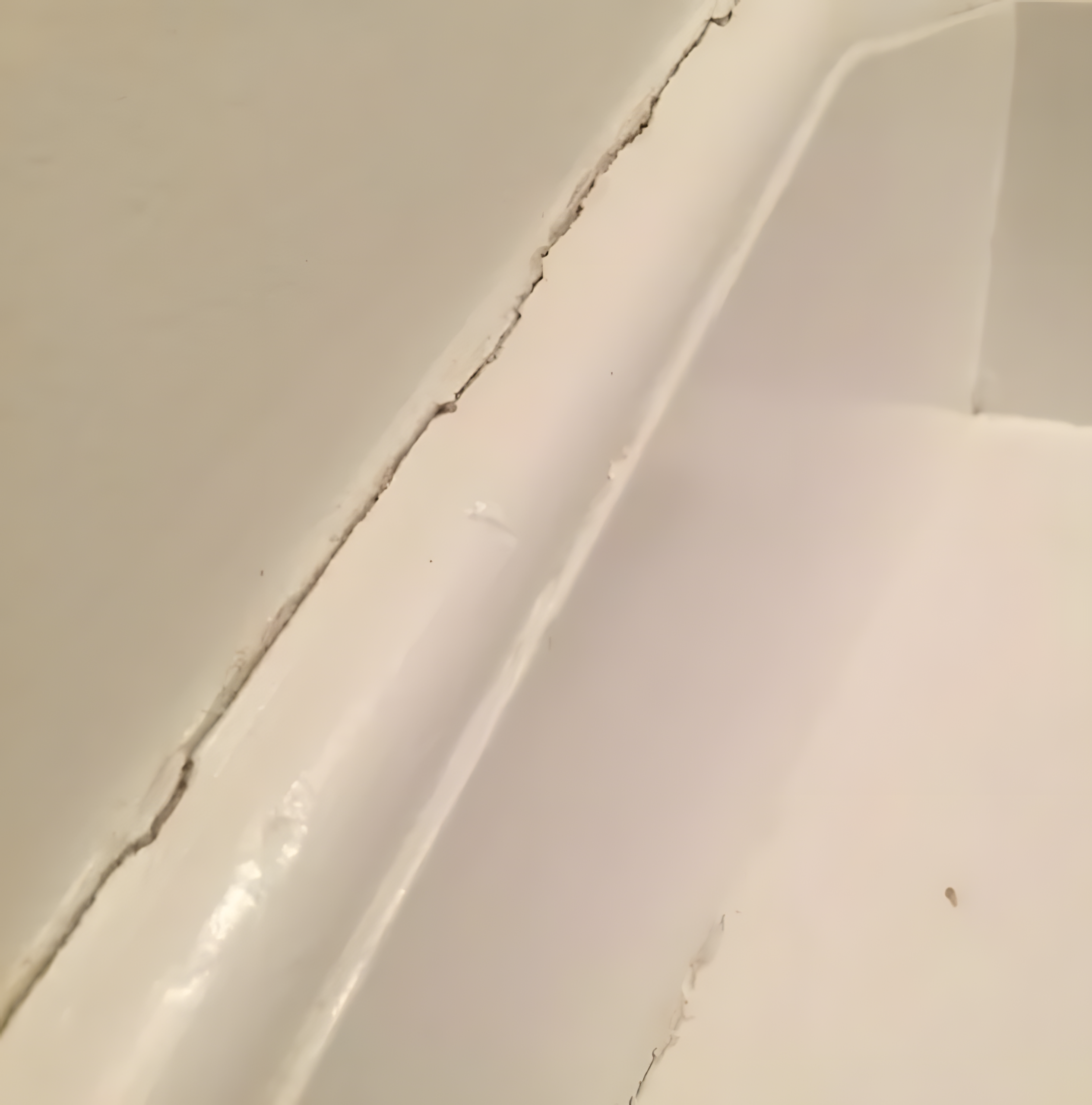
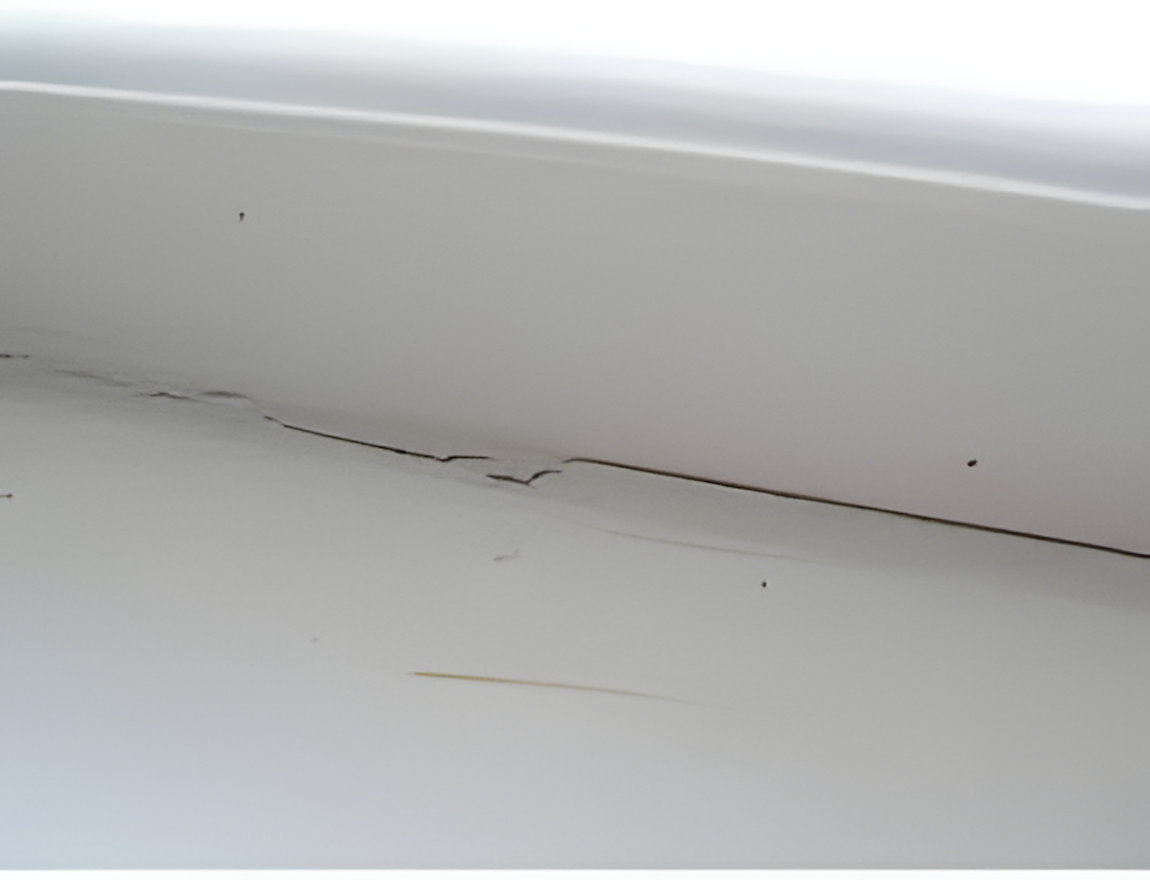
The Problem
- New or green wood is susceptible to shrinkage and movement caused by changing atmospheric conditions
- Wood installed with excessive moisture content leads to separation and cracking in caulk beads
- Green wood absorbs moisture from fresh caulks, greatly affecting adhesion to the substrate
- Low-cost commodity caulk cannot handle the compression and elongation from wood movement
The Solution
- Prime the wood substratebefore applying caulk to create a protective barrier
- Acclimate wood trimto the home, allowing shrinking to occur before installing or caulking
- Use ASTM C-920 rated productsthat can handle movement
- ISSUE #2
Shiners (Plasticizer Migration)
Are you facing issues with shiners appearing after painting over caulking? Shiners are formed from plasticizers in the caulking migrating into the paint over time.
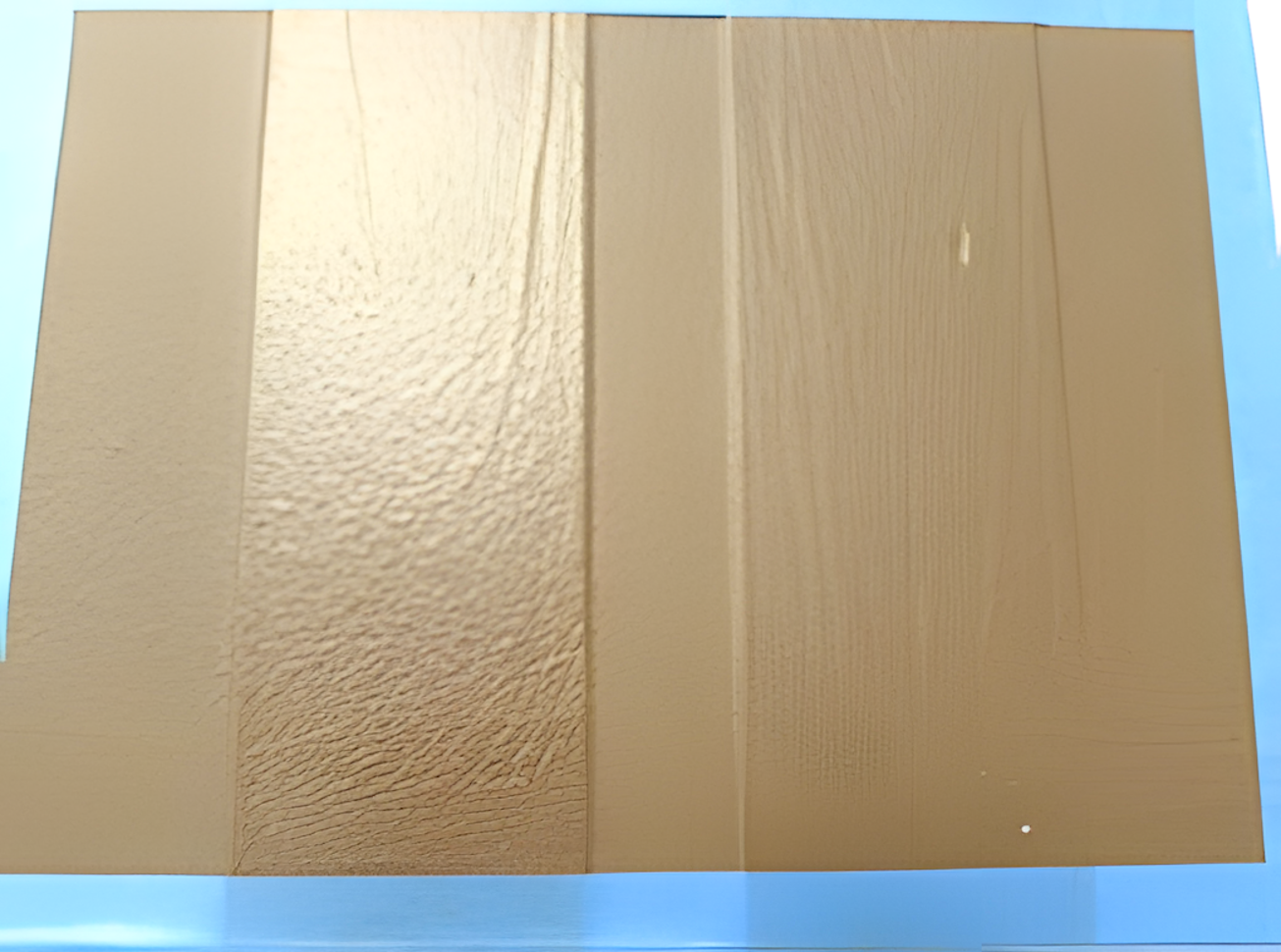
Notice the shiny streaks where plasticizers have migrated into the paint
What Are Shiners?
Plasticizers are a common ingredient in sealants, used to give the product more flexibility. The downside is they often migrate out of the caulk bead and into the substrate or paint.
Problems Caused by Plasticizer Migration:
• Paint appears shinier than surrounding areas
• Caulk bead becomes more brittle over time
• Painted surface becomes tacky, attracting dirt
• Eventually leads to mold and mildew growth
The Only Guaranteed Solution
The only way to ensure no shiners or discoloration is to utilize a product with no plasticizers.
- ISSUE #3
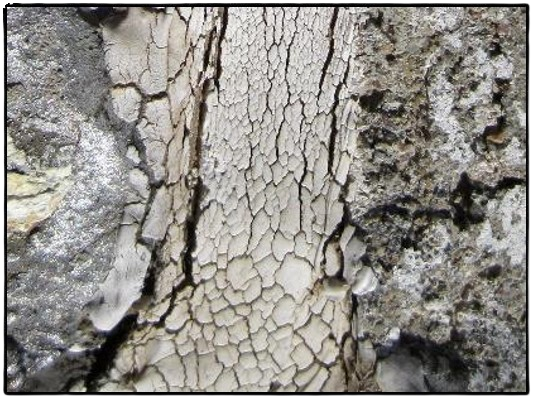
Yellowing Caulk - UV Degradation
Why is my new caulk turning yellow? Certain caulks may have a tendency to yellow or discolor over time, especially when exposed to sunlight or harsh environmental conditions.
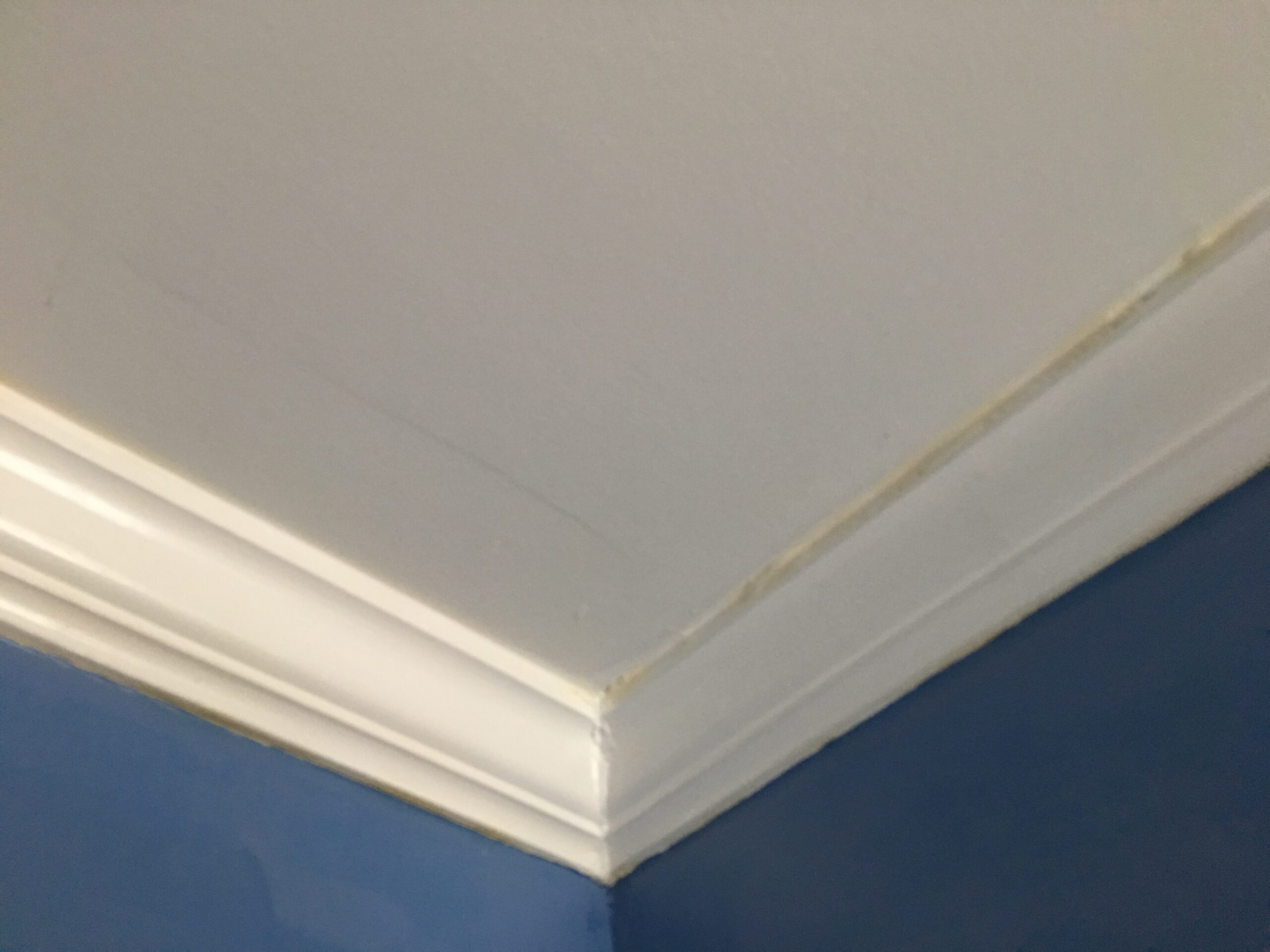
The Problem
Certain caulks yellow or discolor over time when exposed to:
• Sunlight and UV rays
• Extreme temperatures
• Moisture exposure
• Harsh environmental conditions
This is particularly problematic when using white or light-colored paint. Caulk can degrade or crumble, resulting in sealant failure and costly reapplication.
The Solution
Choose a product with exceptional UV resistance. Certain formulations and additives offer more protection, with acrylics being the best technology for UV resistance.
AU-1: Best-in-Class UV Resistance
TOWER's AU-1 shows superior UV resistance compared to competitor Polyurethane and solvent technologies. Internal real-world testing (TCBSAT-30) on 30 common building substrates demonstrates AU-1 outperforms all competitors in maintaining adhesion strength.
AU-1 Superior Adhesion Performance
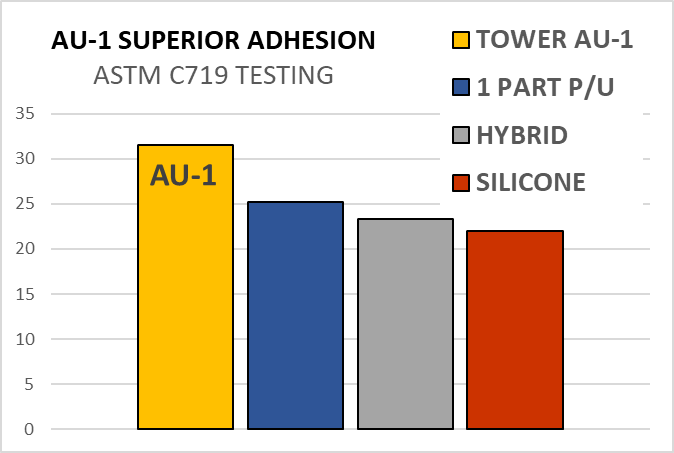
ASTM C719 Testing demonstrates AU-1's superior adhesion compared to competing technologies
- ISSUE #4
Paint Film Cracking Over Caulk Bead
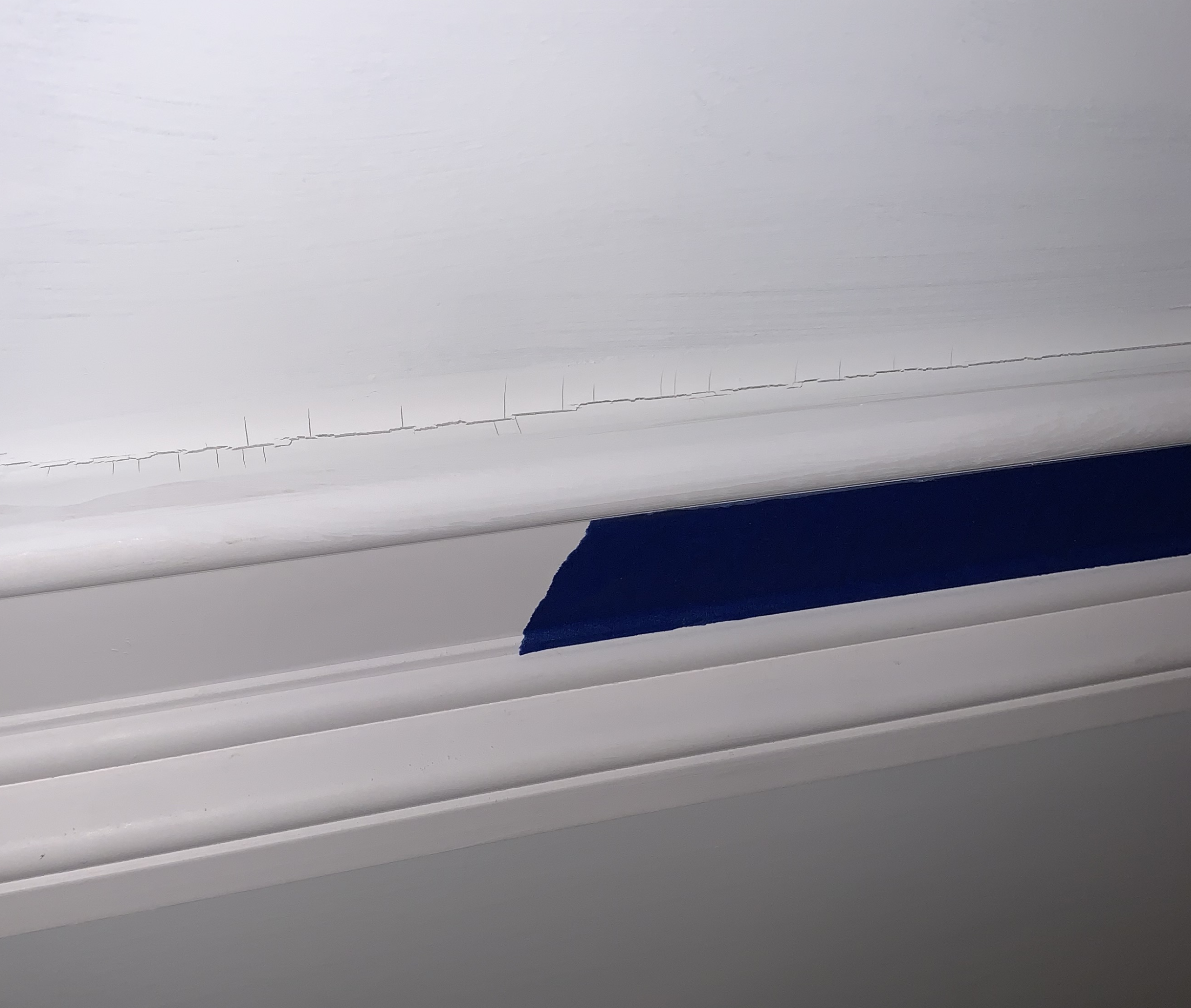
A common issue facing professionals is returning after a paint job to find the paint film has cracked over the caulk bead.
Why Does This Happen?
The cracking is mainly due to the paint adhering to the caulk and stretching as the caulk bead shrinks and cures.
The Challenge:
1. Modern high-performance paints dry to form rigid, non-flexible films
2. Caulk requires 48+ hours to fully cure, shrinking as it evaporates water
3. Paint dries faster than caulk cures, creating stress at the interface
4. Caulk bead is much thicker than paint film (40 mils vs 1-3 mils)
Solutions to Prevent Paint Cracking
Option 1: Allow Full Cure Time
Give the caulk adequate time to fully cure before painting. This minimizes stress on the paint film and prevents cracking.
Option 2: Use TOWER's Engineered Formulas
TOWER Sealants' formulas are engineered to work with high-performance paints and can effectively minimize or eliminate paint film cracking.
TOWER AcceleratorFast-drying formula for quick paint compatibility
Accura TT-SDesigned for rigid coating systems
Already have cracked paint? See our Paint Crack Repair Guide for step-by-step repair instructions.
Need Technical Support?
TOWER Sealants has spent years on compatibility and formula testing to ensure our products work with every type of paint and substrate. Contact our technical team for product recommendations.