
You’ve hung housewrap a thousand times. You know how it staples, how it laps, how it tears in the wind on a bad day, and how it looks when it’s done right. Switching to a liquid-applied barrier means learning something new, and that’s a real reason to hesitate, not a small one. Nobody wants to be the crew figuring out a new product for the first time on a full house, on a schedule, with a super watching.
The good news is you don’t have to start there. Most contractors who end up trusting liquid-applied barriers didn’t start by wrapping an entire house in it. They started with the flashing, just the rough openings around a few windows, and got comfortable with how the product actually behaves before ever considering it for the whole wall. That small first step is what this post is about.
| Quick Answer |
|---|
| The easiest way to get comfortable with a liquid-applied barrier is to try it small first, on rough opening flashing, before using it as a full housewrap replacement. It’s the same product and the same technique either way, just on a smaller, lower-stakes area, so a crew can learn how it applies, how thick it needs to be, and how long it takes to become tack-free without betting a whole house on day one. Many contractors also run into a practical roadblock: their local lumber yard doesn’t stock it yet, usually because no one has asked for it. The fix is to order it directly from the manufacturer to start, and then ask your yard to carry it once you’re using it regularly. Yards stock what contractors demand. |
Let’s Be Honest About the Worries
These aren’t unreasonable concerns. They’re the same questions any experienced crew would ask before changing a method that already works.
“I don’t know how to apply it.”
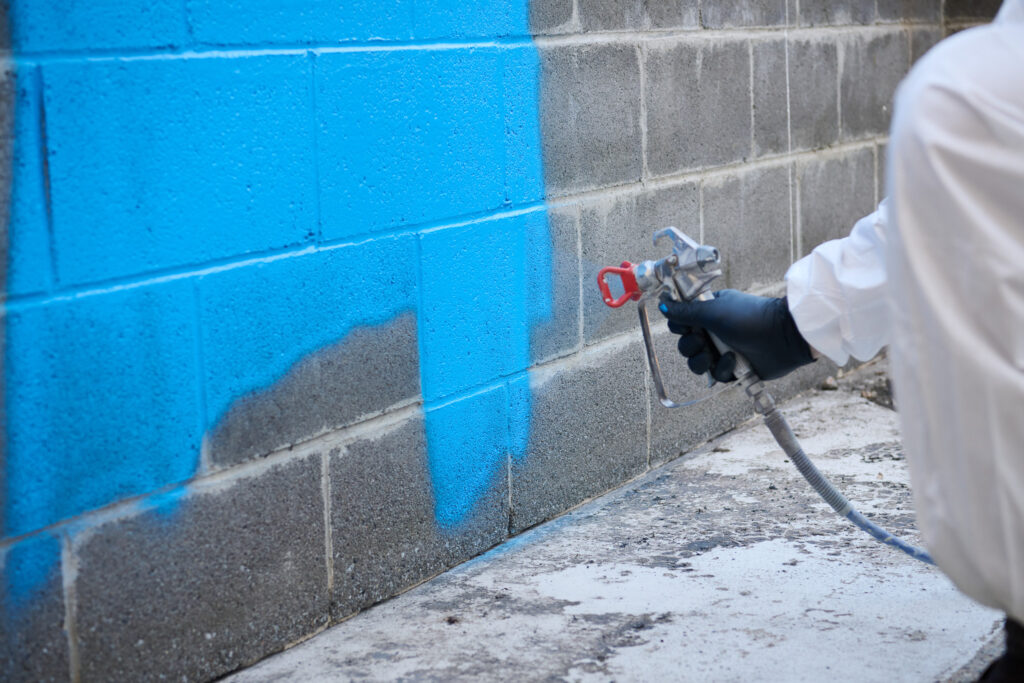
- This is the biggest one, and it’s a fair worry. Rolling, brushing, or spraying on a coating is a different motion than stapling up a sheet and taping seams. It feels unfamiliar the first time, the same way any new tool or technique does.
“What if I mess it up on a whole house?”
- This is the real fear underneath the first one. Nobody wants their first attempt at a new product to be a full building’s worth of material and a schedule that doesn’t leave room for a do-over.
“It’ll slow my crew down while we’re learning.”
- Any new technique is slower before it’s fast. That’s true of every tool a crew has ever picked up for the first time, and it’s a legitimate cost to weigh, especially on a tight production schedule.
“I can’t even get it from my usual supplier.”
- This one is often true, and it’s worth addressing directly instead of pretending it isn’t a real barrier. More on this below.
Why Starting With Flashing Works
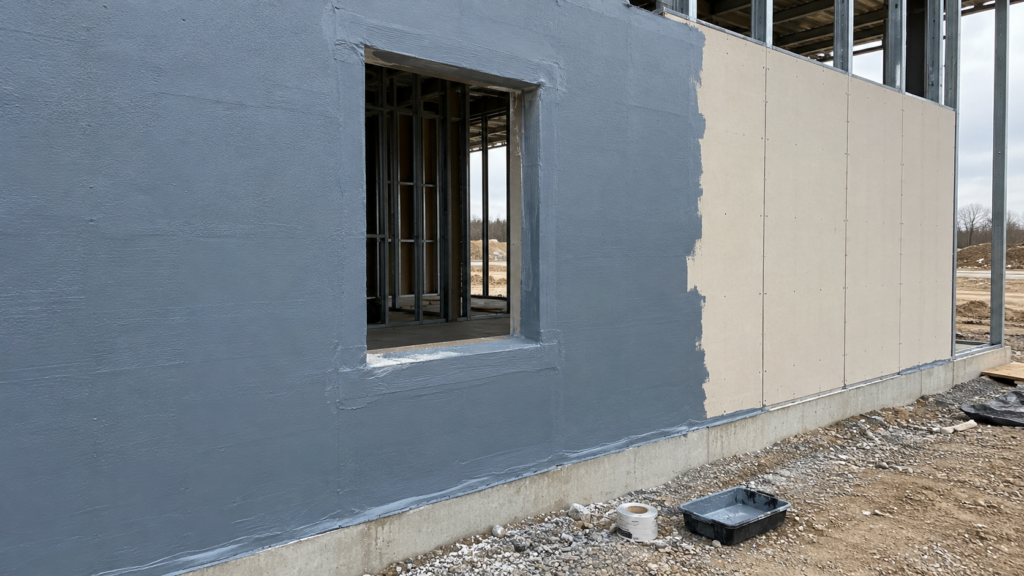
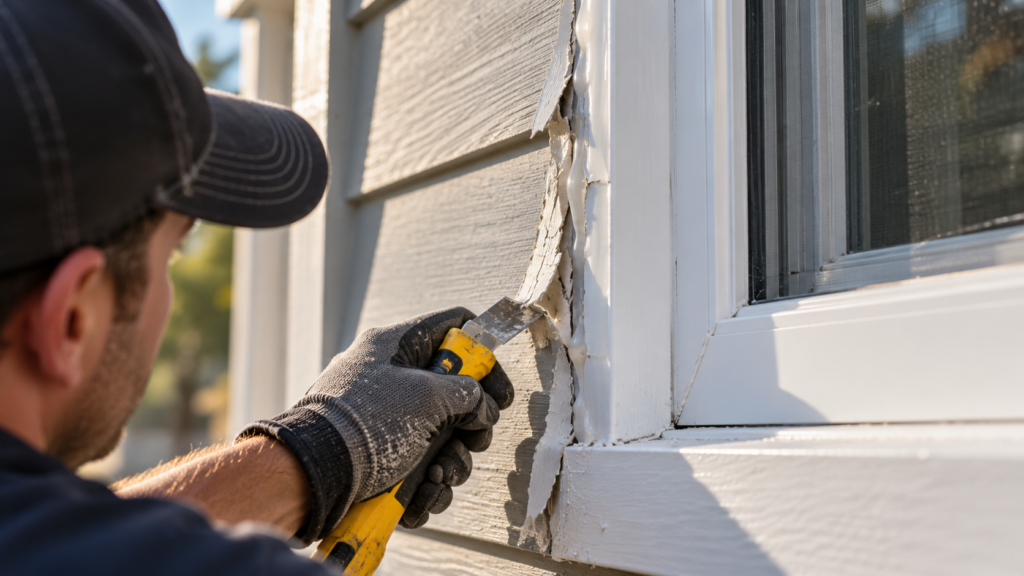
Flashing at a rough opening is a small, contained job. A few windows on one house is a manageable amount of material, a manageable amount of time, and a manageable amount of risk if something doesn’t go perfectly the first time. It is also the exact same product and the exact same technique used for a full wall application, just applied to a smaller area.
That last part matters more than it sounds like it should. The skill of rolling, brushing, or spraying AU-1 LAB to the right thickness, checking it with a wet mil gauge, watching it become tack-free, working it into a corner without a seam, is the same skill whether you’re doing four rough openings or an entire subdivision. Learning it on a small project means the learning curve happens on a job where a slower pace or a redo doesn’t put a whole production schedule at risk.
What Doing It With Your Own Hands Actually Teaches You
There’s a difference between reading about how a liquid-applied barrier works and watching it happen in front of you. A few things tend to land differently once a crew has actually done it.
- Watching it flow into a corner. No cutting a piece of tape at an angle, no folding it around a bend and hoping it stays. The product just goes where the brush or roller puts it, including into the inside corner of a rough opening that housewrap and tape always make awkward.
- Seeing it seal around a fastener. A staple through housewrap is a small hole. A fastener through a liquid-applied barrier gets sealed as the coating cures around it. Seeing that happen on your own wall, instead of reading it in a product description, is what actually builds trust in it.
- Feeling tack-free time for yourself. Instead of trusting a number on a data sheet, you touch it, feel that it’s no longer wet, and know exactly when it’s ready for the window to go in. That hands-on check becomes second nature fast.
- Realizing there’s no wind fighting you. Housewrap on a windy day is its own kind of fight. A liquid coating doesn’t flap, doesn’t need extra hands to hold it steady, and isn’t at the mercy of a gusty afternoon the same way a sheet product is.
Once that confidence exists on a small scope, the decision about using it as a full housewrap replacement stops being a leap into the unknown. It becomes a decision about doing more of something the crew already knows how to do.
The Honest Truth About Getting It From Your Supplier
Here’s something worth being straightforward about. Right now, a lot of local lumber yards and building suppliers don’t stock liquid-applied barrier products. Not because the product doesn’t work, but because yards stock what their contractors ask for, and not enough contractors have asked yet.
This creates a real chicken-and-egg problem. Yards won’t carry it until contractors demand it. But the contractors who are already using it often skip the yard entirely and order straight from the manufacturer, because that’s the only reliable way to get it right now. That means the demand exists, but it isn’t showing up on the yard’s radar, because it’s happening around them instead of through them.
If you want this product to eventually be something you can just pick up locally like you do housewrap today, here’s the practical path. Order what you need directly to get started and build your own confidence with it on a small job. Once you’re using it regularly, tell your yard. Ask them directly to start stocking it. Yards respond to contractors telling them what they need, and right now, that conversation mostly isn’t happening. A few contractors in a market asking the same question is usually what tips a yard toward stocking something new.
Old Habit vs. New Approach
| With Housewrap and Tape | With Liquid-Applied Barrier |
|---|---|
| Cut, fold, and tape every corner of a rough opening | Brush or roll it into the corner; it flows on its own |
| Staple holes are left unsealed by the wrap | Coating seals around properly set fasteners as it cures |
| Fighting the wrap in wind while stapling | No sheet material to hold down or fight against |
| Available at almost any yard today | Often ordered direct until local demand builds |
FAQ: Trying Liquid-Applied Barrier for the First Time
Do I need special training to apply a liquid-applied barrier?
No formal certification is required to apply it, but it does take a bit of hands-on practice to get comfortable, the same as any new technique. Starting on a small area like rough opening flashing is the easiest way to build that comfort before a full wall application.
Is it okay to only use it on flashing and keep housewrap for the rest of the wall?
Yes. Using a liquid-applied barrier at rough openings while keeping housewrap for the field is a reasonable first step and a normal way to build confidence before deciding whether to use it as a full replacement.
Why doesn’t my local lumber yard carry it?
Most likely because not enough contractors in your area have asked for it yet. Yards generally stock based on contractor demand. If contractors who want it order direct in the meantime and then ask their yard to carry it once they’re using it regularly, that’s typically what moves a product onto local shelves.
How do I get AU-1 LAB if my supplier doesn’t stock it?
You can order directly through Tower Sealants to get started. Once you’re using it on jobs regularly, let your usual supplier know you’d like them to carry it.
Will using it slow my crew down at first?
Likely a little, the first few times, the way any new technique does. Starting on a smaller scope, like flashing a handful of openings, keeps that learning curve from affecting a full production schedule.
What tools do I need to try it the first time?
A brush or roller is enough to start, no sprayer required for a small flashing job. A wet mil gauge is worth having on hand so you can check thickness as you go rather than guessing.
The Bottom Line
Switching from a product you’ve used for years to something new is a real decision, not a small one, and it’s fair to want to try it before you trust it. Starting with the flashing on a handful of openings is the low-risk way to find out how a liquid-applied barrier actually behaves, in your hands, before deciding whether it earns a bigger role on the wall.
And if your usual supplier doesn’t carry it yet, that’s not a dead end. Order it directly to get started, and once you’re using it regularly, tell your yard you want it on the shelf. That’s how products end up stocked locally, one contractor asking at a time.
To get AU-1 LAB for your next job, or to ask questions before you try it, contact the Tower Sealants team. Visit towersealants.com or call 866-525-5063.